

Watch Pat, Terry, and Gordon on your iPod as they bring you amazing stories and celebrity interviews.
Have you experienced the presence of God?
Ron DiCianni: Painting the Resurrection?




Become a CBN partner and receive The Transforming Word: Verses to Overcome Fear and Experience Peace, our special DVD/CD gift to you.
CBN Partners are making a difference sharing the Gospel of Jesus Christ. Find out how.


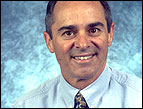
Board certified Internist and Nephrologist practicing for over 20 years
Founder of A Healing Hand, providing consulting services in areas of conflict resolution, negotiation, and mediation in health care
Age management specialist
Appeared on Geraldo Rivera at Large, Good Day New York, New England Newsmakers;
Featured in Newsweek, Reader’s Digest, Women’s Day, and USA Today
A.B. from Boston University
M.D. from University of Massachusetts Medical School
Postdoctoral training was at Harvard Medical School
Completed his renal fellowship at The Massachusetts General Hospital in Boston
Alumnus of The Advanced Program for Conflict Resolution, Negotiation, and Mediation at The Harvard School of Public Health
Married to wife LeeAnn, two children Anna and Alex
It’s All In Your Head: Change Your Mind, Change Your Health (Capitol Books, September 2006)
The Savvy Patient (Capitol Books, 2004)
CBN.com
– PRIMARY CARE PROVIDER
Dr. Pettus says you have more control over your health than you perhaps ever imagined. In fact, you have much more potential to impact your health and wellness than any physician, medication, or hospital ever will. A good starting point for navigating through America's health care system is finding a good doctor that you trust who can provide primary care - a primary care provider, or PCP. If you do not have a primary care provider, make it a priority to find one. It may take some time, but be patient until you find one that you are comfortable with and don't wait until you are sick. Having the same physician-practice also caring for your spouse and family can have tremendous advantages.
In order to make the most use of your time with your physician be sure to come to the appointment prepared. This means having thought through how you can best describe your symptoms/needs and what questions you want to ask about your care. In days gone by, the doctor may have been feared or revered so highly that the patient felt there was no need for questions or it was inappropriate to raise any question. Dr. Pettus says today there needs to be more of a teamwork approach with your healthcare provider. Not only does the patient need to think ahead, but he encourages patients to look for and bring in an article or information they may have discovered either about their own condition or about a medication or supplement and ask their doctor about it.
NAVIGATING THROUGH THE HEALTH CARE SYSTEM
Dr. Pettus says often times many people become frustrated by a lack of clarity with "what's going on" in the midst of a health-care encounter. He sheds light on some common health care scenarios in an attempt to allow you to more effectively anticipate, recognize and manage your medical encounters.
The Emergency Department is one of the busiest and fast paced areas of organized chaos in the health care system. In fact, the volume of visits to emergency departments nationwide is increasing constantly. Dr. Pettus offers some advice when considering an E.D. visit:
(1) If you feel your problem is urgent, go to the nearest E.D. as soon as possible;
(2) For problems that may not be urgent, consider alternatives to an E.D. visit such as a primary care office, walk-in clinic, or watchful waiting;
(3) Emergency departments are not designed to provide primary care; (4) Make sure you understand your instructions prior to being discharged from the E.D.
Preparing for Surgery includes adopting healthy habits for daily living that can leave you holding better cards in preparation for an operation. Some of those healthy habits include: (1) Regular exercise; (2) A balanced diet; and (3) Taking your prescribed medications faithfully. Other important aspects to the preparation for surgery include (1) Understanding the reasons for the operation including the risks and the benefits; (2) Understanding the potential complications from and after surgery; and (3) Understanding what medications to take and what medications not to take before surgery.
Tests are like "clues" that a health-care provider uses to arrive at an accurate diagnosis. These clues are gathered through the questions that you are asked, the observations made by medical staff, from the information you
provide, and the physical examination. Tests are generally considered to obtain more "clues" as a way of making a more certain, specific, and accurate diagnosis. As the patient, you should have as much understanding as possible of any test being done.
Here are some important things to keep in mind with regard to medical tests:
(1) If the test results are "normal", what does that mean?;
(2) If the results are "abnormal," what does that mean?;
(3) What are the risks, if any, of the tests?; and (4) Be sure to keep a record of all your test results, such as blood tests, x-ray reports. These records can be obtained from your physician's office and can assist those involved in your care.
HEALTH CARE LITERATE
When it comes to your health, be as educated as you can. Ask questions. Choose to know more. Some ways you can become a better patient and help to improve your health literacy include the following:
Dr. Pettus was raised in a Christian home and says that because his faith is such a natural part of his life, it has always been a part of how he approached medicine. He sees a very clear connection between faith and healing. It is evident to him from years of practice that those patients with a faith have a greater measure of hope and they see a greater measure of healing and wholeness. He believes a doctor should even explore avenues of a patient’s faith and encourage the patient to seek out support and council from their church or temple or place of worship.
How much of a role does faith play in health care? Find out here.
A caring friend will be there to pray with you in your time of need.

 Patient 101